

Throw Open the Doors: Your Cottage’s Spring Reawakening
First Entry and Fresh Air Reset
Plumbing Revival and Well Water Confidence
Pressurize Slowly and Purge Cleanly
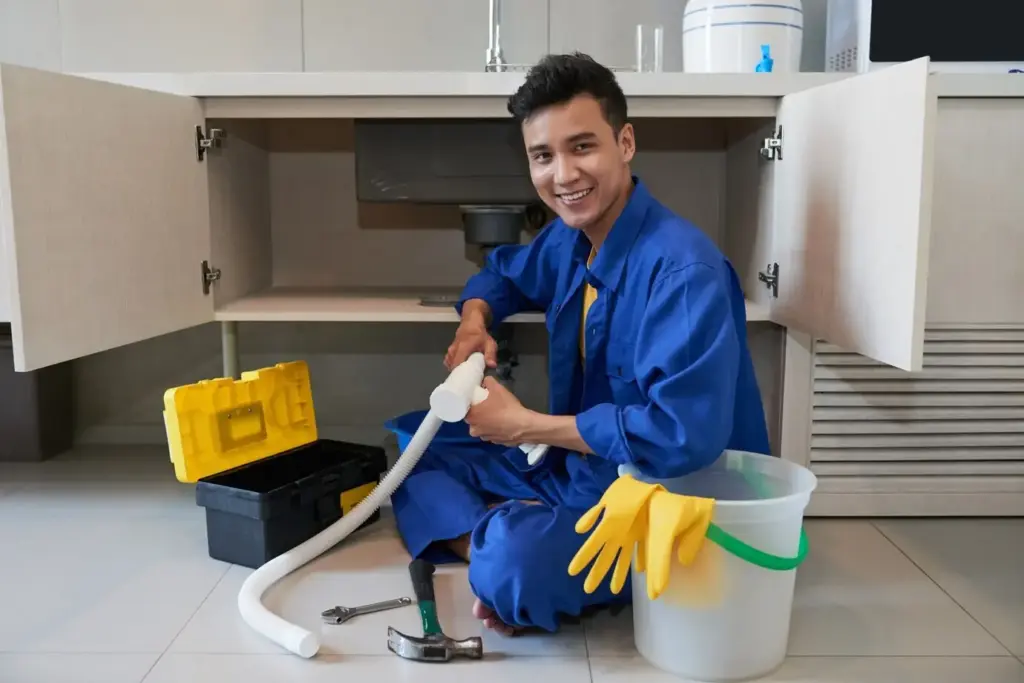
Remove faucet aerators, open a nearby cold tap, and crack the main valve slowly to let air hiss out without hammering pipes. Work room by room, purging pink RV antifreeze until water runs clear. Check beneath sinks, around toilets, and at appliance hoses. A neighbor’s quiet drip last April only appeared after the second hour of steady pressure.
Water Heater Bypass, Filling, and Safe Start
Return bypass valves to normal flow so the tank can fill, then open a hot tap until the sputter turns to a steady stream. Only after confirming a completely full tank should you restore electricity or gas. Test the temperature and pressure relief valve, inspect for corrosion, and set the thermostat near 120°F to balance safety and comfort.
Well, Pressure Tank, and Water Quality
Note cut-in and cut-out pressures on the gauge and listen for short-cycling. Verify pressure tank precharge matches your switch settings. Replace sediment and carbon cartridges. If water was stagnant, consider shock chlorination and then test for coliform bacteria, nitrates, and iron. Record results, because trending quality year over year reveals subtle problems before they escalate.
Heat, Hearth, and Ventilation Readiness
Furnace or Boiler Sanity Check
Replace or clean filters, vacuum return grilles, and inspect flues for rust streaks or loose connections. If you run hydronics, bleed radiators and watch the pressure gauge during a full heat cycle. Confirm the thermostat calls properly and the burner lights smoothly. Any soot, lingering fuel odor, or flame instability warrants a professional tune-up before regular operation.
Chimney, Stove, and Fireplace Safety
Confirm last season’s sweep, then inspect the cap for nests and the spark arrestor for blockages. Check door gaskets on wood stoves, look for glazed creosote, and verify clearances to combustibles. Light a small test fire while a CO alarm is active nearby. Keep a metal ash bucket with a tight lid outside, away from decks or siding.
Fans, Dryer Vent, and Humidity Targets
Run bath fans and the kitchen hood to be sure they actually exhaust outdoors. Pull and clean the dryer vent; lint loves long, cool winters. Set indoor relative humidity around 35–55 percent, using a dehumidifier if needed. Damp basements benefit from testing the sump pump and adding airflow to deter condensation, mildew, and that stubborn, closed-up smell.
Electrics, Protection, and Emergency Backup

Septic, Drainage, and Moisture Defense
Close-Out Checks, Records, and Neighborly Wisdom
System-by-System Test Drive
Run every faucet, flush toilets, and take a short shower while watching supply lines. Start the dishwasher empty to flush lines, then the washing machine on a small cycle. Cycle the heat once, then the fans. Walk outside to listen and sniff while everything runs. Catching tiny leaks now beats replacing swollen floors in June.
Build a Living Checklist You’ll Actually Use
Turn today’s notes into a printable, season-by-season list with filter sizes, valve maps, and testing dates. Tape copies inside the utility closet and save a digital version. Invite family to add observations. If you want our editable template and reminders, subscribe, and we’ll send updates aligned with typical frost-out dates in your region.